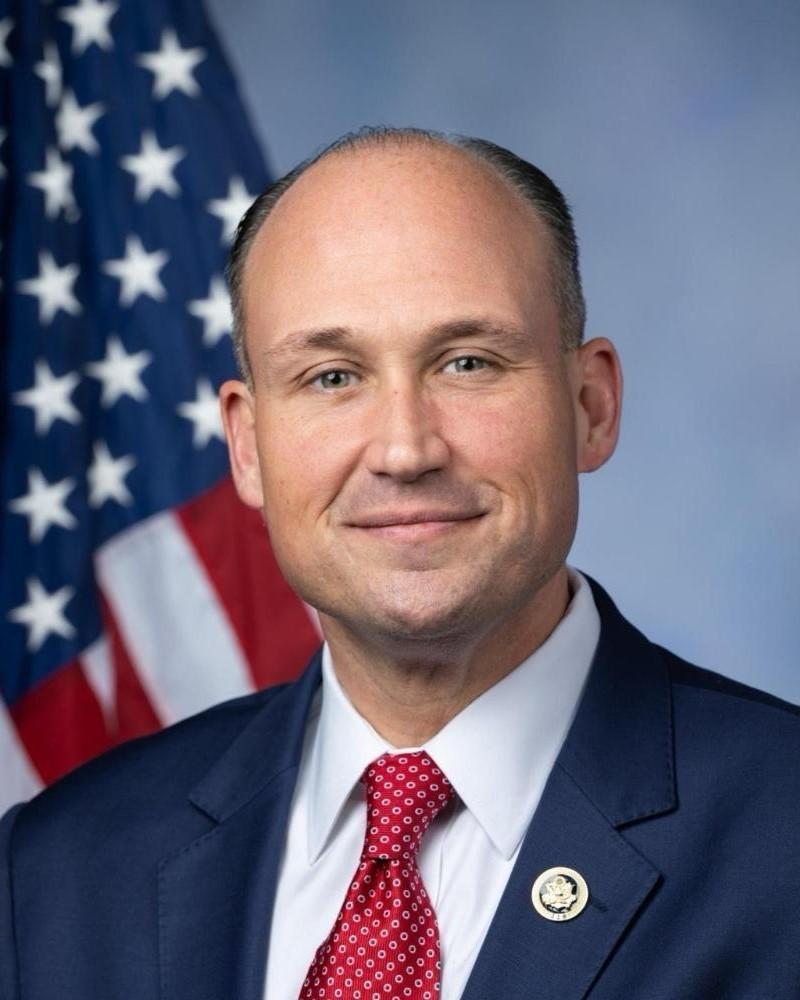
A bipartisan bill in Washington would expand access to lower-cost biosimilar prescription drugs and help bring them to market. Congressman Nick Langworthy has announced the introduction of the Biosimilars Access and Affordability Act, which updates Medicare policy to provide a clearer pathway for lower-cost biosimilar medicines that are actively moving toward the market, while protecting Medicare if those anticipated competitors never reach patients. Tennessee Republican Marsha Blackburn is leading the companion bill in the Senate.
Langworthy says, "Competition is one of the most powerful tools we have to drive innovation and affordability in our health care system and biosimilars have helped give millions of patients access to lifesaving drugs at lower costs. But time is of the essence when dealing with a disease or illness and patients should not have to pay more simply because a lower-cost competitor is on the way, but the rules governing Medicare don't adequately account for it. Our legislation takes a straightforward approach that if a biosimilar is genuinely moving through the FDA process and toward the market, it should have a fair opportunity to compete. At the same time, Medicare should not be left waiting indefinitely if that competition never materializes. This is good for patients, good for research and development, and good for the Medicare system."
Biosimilars are highly similar versions of biologic medicines that can provide additional treatment options and introduce competition into markets where patients may have limited choices. Langworthy says by encouraging legitimate biosimilar competition, the legislation aims to expand access to treatments and help put downward pressure on drug costs. Under current law, Medicare can temporarily delay selecting an original biologic drug for price negotiation when a lower-cost biosimilar competitor is expected to enter the market. While the existing policy can allow for a delay of up to two years, it generally operates through separate one-year determinations and has narrow and complicated criteria for qualifying biosimilars. The Biosimilars Access and Affordability Act, according to Langworthy, would maintain the existing two-year maximum while creating a clearer and more predictable process for determining when an approaching biosimilar qualifies for the temporary delay.